



Weight Training After 40: Building Strength, Health, and Longevity
For men over 40, weight training is no longer about chasing personal records or copying what worked in their twenties. It becomes about preserving strength, protecting joints, maintaining muscle mass, and staying capable for everyday life.
Done correctly, resistance training is one of the most effective tools for long-term health and physical independence.
[ PRIMARY]
Weight training after 40 helps preserve muscle mass, maintain bone density, protect joint health, and support long-term mobility. When performed with proper technique, moderate loads, and adequate recovery, resistance training improves strength and daily function while reducing the risk of age-related physical decline.
Why Weight Training Matters More After 40
Starting in the late thirties and early forties, the body begins to lose muscle mass and bone density at a gradual but steady rate. Strength declines, recovery slows, and small aches take longer to disappear.
Weight training directly counters these changes by strengthening muscles, reinforcing connective tissue, and improving how the body handles everyday physical stress. Men who train consistently tend to move better, feel stronger, and remain more resilient as they age.

[ TRAINING PURPOSE]
After 40, resistance training is less about maximum strength and more about maintaining physical capacity. Consistent strength training supports muscle retention, joint stability, balance, and metabolic health, all of which contribute to long-term independence and daily functionality.
Common Concerns: Joints, Recovery, and Injury
Many men over 40 hesitate to lift weights because of past injuries or joint discomfort. This concern is understandable, but avoiding resistance training often accelerates stiffness, weakness, and instability.
The key difference lies in execution. Controlled movement, appropriate loading, and structured progression place stress on the body in a way that encourages adaptation rather than breakdown. When joints are trained properly, they tend to become more resilient over time.
Muscle Loss, Hormones, and Strength After 40
Age-related muscle loss is real, but it is not inevitable. Strength training sends a clear signal to the body to retain muscle tissue and neuromuscular efficiency.
Even without dramatic hormonal changes, consistent resistance training improves muscle activation and coordination. In practical terms, this makes everyday tasks easier and reduces the likelihood of falls, strains, and chronic weakness.
Why Both Free Weights and Weight Machines Have a Role
For men over 40, effective training is not about choosing sides between free weights and weight machines. Each has a clear role.
Free weights promote coordination, balance, and whole-body strength. Weight Machines allow targeted loading with greater control, which is especially valuable when managing joint stress or training around old injuries.

[ EQUIPMENT BALANCE]
Men over 40 benefit most from a balanced training approach that combines free weights and weight machines. Free weights improve coordination and overall strength, while weight machines provide controlled resistance that reduces joint strain and allows targeted muscle development.
Key Training Principles for Men Over 40
Long-term progress comes from consistency, not intensity spikes.
- Clean technique over heavy loads
- Gradual progression rather than forced increases
- Adequate recovery between sessions
[ SAFETY & RECOVERY]
Effective weight training after 40 prioritizes controlled movement, gradual progression, and sufficient recovery. Avoiding excessive loads, training through pain, and neglecting warm-ups significantly reduces injury risk while improving long-term strength outcomes.
Equipment That Supports Safe, Effective Training
- Power racks or half racks for compound lifts with safety control
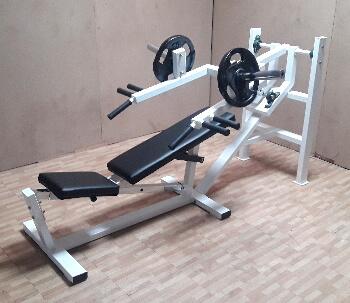
- Adjustable benches for stability and versatility
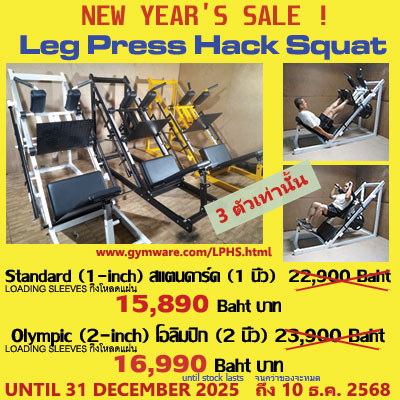
- Plate-loaded machines that offer smooth, predictable resistance

[ EQUIPMENT CONTEXT]
The most effective equipment for men over 40 includes power racks or half racks for compound lifts, adjustable benches for controlled support, and plate-loaded machines for joint-friendly resistance. This setup allows strength development while minimizing unnecessary stress on joints.
Common Training Mistakes After 40
- Chasing heavy numbers at the expense of form
- Skipping warm-ups and mobility work
- Ignoring early warning signs of pain or fatigue
The Long-Term Payoff
Weight training after 40 is an investment in future quality of life. Strength supports posture, balance, mobility, and confidence.
[ OUTCOME]
Consistent weight training after 40 supports long-term independence, mobility, and physical resilience. Strength training is not about lifting maximum weight, but about maintaining the ability to move, work, and live actively as the body ages.
Share on


- SINGLE-STATION สถานีเดี่ยว ตับน้ำหนัก
- MULTI-STATION สถานีรวม ตับน้ำหนัก
- PLATED-LOADED โหลดแผ่นกลม
- RACKS, BENCHES & WEIGHTS ฟรีเวท
- PROFESSIONAL LINE โครง 3"x3"
- HARDCORE + MORE ฮาร์ดคอร์
- BASIC LINE เบสิก
- RIGS & RACKS บันใดลิง+แร็คใหญ่
- WHEELCHAIR วีลแชร์
- ARM-WRESTLING กีฬางัดข้อ
บริษัท ยิมแวร์ จำกัด