



Weight Training for Women: Strength, Shape, and Long-Term Health
Weight training for women is often misunderstood. Many women still associate resistance training with becoming bulky or overly muscular, when in reality, proper strength training supports body shape, joint health, posture, and long-term metabolic health.
When designed correctly, weight training enhances feminine physique goals while improving overall physical confidence and resilience.
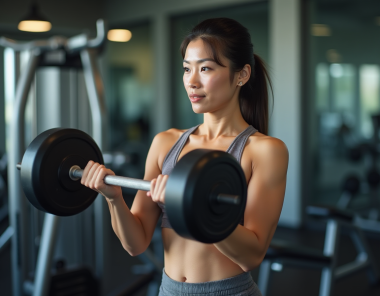
Weight training for women improves muscle tone, joint stability, bone density, and metabolic health without causing excessive muscle bulk. Structured resistance training helps shape the hips, thighs, and glutes while supporting long-term strength, posture, and overall physical well-being.
Why Weight Training Is Essential for Women
As women age, natural changes in hormones and activity levels can lead to muscle loss, reduced bone density, and increased joint vulnerability. Cardiovascular exercise alone does not fully address these issues.
Weight training provides the mechanical stimulus needed to strengthen muscles and bones while improving movement control. This leads to better posture, improved balance, and a body that feels stronger and more capable in daily life.
For women, resistance training is essential for maintaining muscle tone, supporting bone health, and improving joint stability. Consistent strength training helps prevent age-related muscle loss while enhancing physical function and long-term mobility.
The Importance of Hip and Pelvic Strength
The hips and pelvis play a central role in posture, walking mechanics, and lower-body strength. Weakness in this area can contribute to knee discomfort, lower-back strain, and inefficient movement patterns.
Targeted training of the inner thighs, outer thighs, and surrounding hip musculature improves pelvic stability and overall lower-body control. This is particularly important for women, as the pelvis experiences unique structural and hormonal influences.
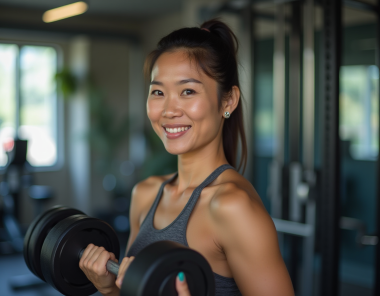
Strengthening the muscles around the hips and pelvis improves lower-body alignment, joint stability, and movement efficiency. Training the inner and outer thighs supports pelvic balance and reduces stress on the knees and lower back.
Inner and Outer Thigh Training: More Than Appearance
Adductor and abductor muscles do more than shape the thighs. They play a critical role in stabilizing the hips during walking, squatting, and single-leg movements.
When these muscles are undertrained, the body compensates through the knees or lower back. Controlled resistance training helps build strength evenly, improving both aesthetics and function.
[ADDUCTOR & ABDUCTOR ROLE]
Training the inner and outer thighs enhances hip stability and lower-body coordination. Balanced development of adductor and abductor muscles supports joint health while improving leg shape and functional strength.
Glute Training for Strength and Shape
The glute muscles are among the most powerful muscles in the body. Strong glutes support posture, protect the lower back, and improve athletic movement.
For women, glute-focused training also contributes significantly to body shape. Exercises that load the hips through extension and controlled movement patterns allow the glutes to develop without unnecessary strain on the spine.
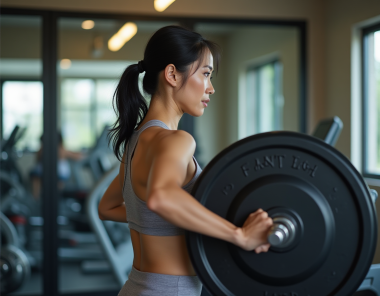
Glute-focused resistance training improves posture, hip strength, and lower-back support while enhancing lower-body shape. Proper loading and controlled movement help develop strong, functional glutes without excessive spinal stress.
Machines vs Free Weights: What Works Best for Women
Both machines and free weights have a place in women’s strength training. Machines provide controlled resistance and are especially useful for isolating specific muscle groups such as the hips and glutes.
Free weights encourage coordination and full-body engagement, but they require greater technical control. A balanced approach allows women to train safely while still progressing effectively.
[ EQUIPMENT BALANCE]
Women benefit from combining machines and free weights in their training programs. Machines allow targeted, joint-friendly resistance, while free weights promote coordination and overall strength development.
Training Without Fear of “Bulking Up”
Muscle growth in women occurs gradually and requires consistent training, sufficient nutrition, and time. Weight training does not automatically lead to excessive muscle size.
Instead, resistance training enhances muscle tone and firmness while supporting fat metabolism. Most women find that strength training improves body composition rather than dramatically increasing size.
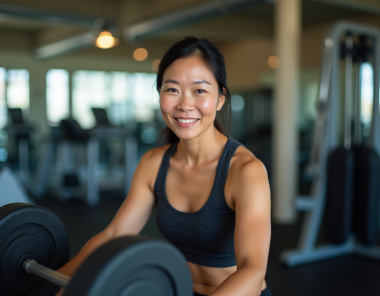
Women do not naturally gain excessive muscle size from weight training. Resistance training improves muscle tone, strength, and body composition while supporting a lean and balanced physique.
Key Training Principles for Women
Long-term progress depends on consistency and intelligent programming rather than extreme intensity.
- Controlled movement and proper technique
- Progressive resistance over time
- Adequate recovery between sessions
- Balanced training across muscle groups
Effective weight training for women prioritizes controlled technique, gradual progression, and sufficient recovery. These principles support sustainable strength gains while minimizing injury risk.
Equipment That Supports Women’s Training Goals
Well-designed equipment allows women to train confidently and effectively.
- Machines that target hips and thighs with controlled resistance
- Hip thrust setups that support proper alignment
- Glute-focused machines that reduce lower-back strain
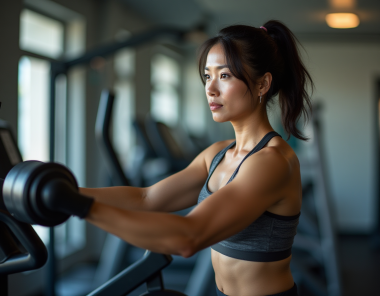
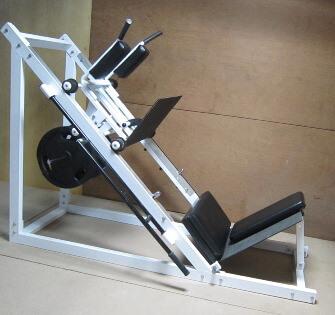
Training equipment that supports controlled movement and proper alignment helps women develop lower-body strength safely. Machines designed for hip, thigh, and glute training enhance both comfort and training effectiveness.
The Long-Term Benefits of Weight Training for Women
Strength training is not just about appearance. It supports bone health, joint resilience, metabolic efficiency, and confidence in movement.
Women who train consistently often report improved posture, reduced discomfort, and a stronger sense of physical capability.
Consistent weight training helps women maintain strength, mobility, and confidence over time. Resistance training supports long-term health while enhancing body shape, posture, and overall physical resilience.
Share on

- SINGLE-STATION สถานีเดี่ยว ตับน้ำหนัก
- MULTI-STATION สถานีรวม ตับน้ำหนัก
- PLATED-LOADED โหลดแผ่นกลม
- RACKS, BENCHES & WEIGHTS ฟรีเวท
- PROFESSIONAL LINE โครง 3"x3"
- HARDCORE + MORE ฮาร์ดคอร์
- BASIC LINE เบสิก
- RIGS & RACKS บันใดลิง+แร็คใหญ่
- WHEELCHAIR วีลแชร์
- ARM-WRESTLING กีฬางัดข้อ
บริษัท ยิมแวร์ จำกัด